Thinking about buying in Ephraim and wondering if an HOA fits your life, or if you are better off without one? You are not alone. In a small Central Utah town shaped by Snow College, rural living, and winter weather, the choice affects your budget, freedom, and day-to-day routine. In this guide, you will learn the real pros and cons of HOA and no-HOA living in Ephraim, how HOAs work in Utah, and what to check before you make an offer. Let’s dive in.
Ephraim housing snapshot
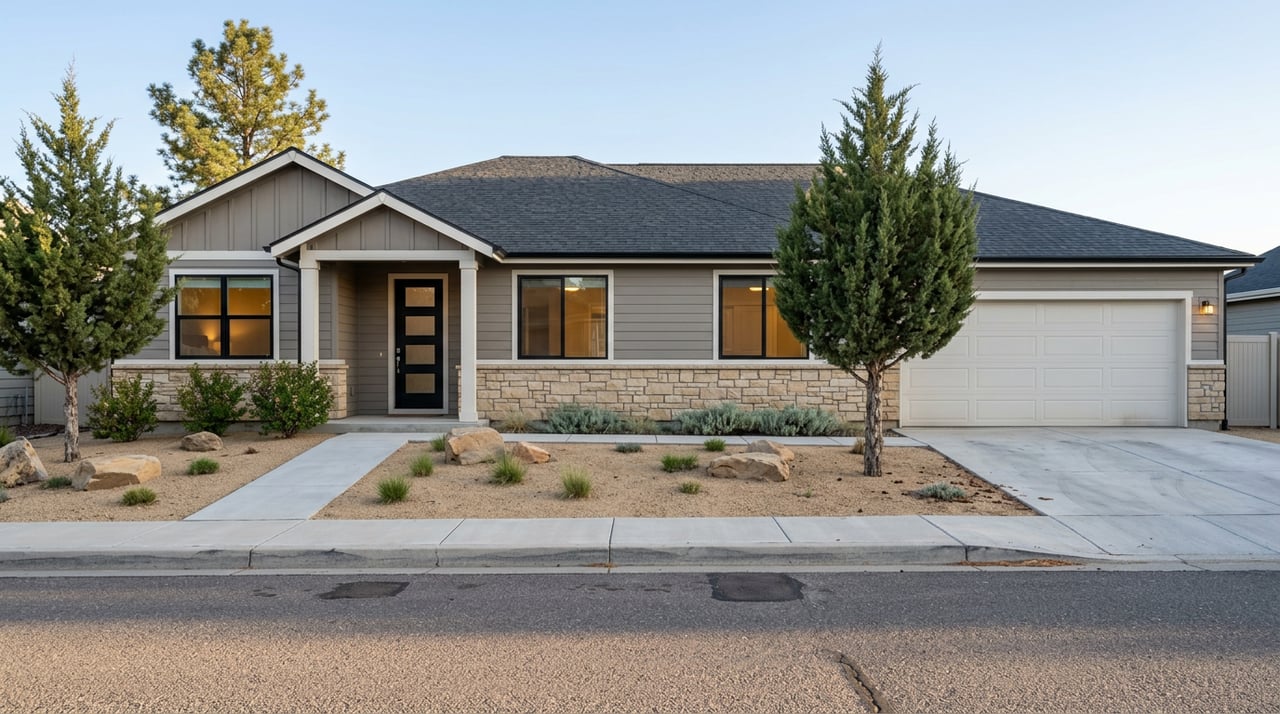
Ephraim, in Sanpete County, offers a mix of older single-family homes, small townhome or multiunit developments, and newer subdivisions where HOAs are more common. The housing stock reflects college-town demand and small-town living.
In many small Utah towns, larger lots and flexible outdoor uses are common, unless a subdivision’s HOA restricts them. Think RV parking, outbuildings, or small livestock. That flexibility can be a key decision point for buyers.
Snow College influences rental demand, including semester-based and short-term rentals. Many HOAs limit rentals, set minimum lease terms, or require registration. If rental income is part of your plan, those rules matter.
Winters bring snow and freeze-thaw cycles. Snow removal, road upkeep, and roof or structure maintenance are important. HOAs sometimes include snow removal or private road maintenance in dues, which changes your costs and convenience.
How HOAs work in Utah
Governing documents to know
HOAs are guided by a set of documents that define what you can do and what the association will do:
- Declaration of Covenants, Conditions and Restrictions (CC&Rs). These set use rules, exterior standards, pet and parking policies, rental limits, and maintenance responsibilities.
- Bylaws. These cover the board, officer roles, meetings, and how members vote.
- Articles of Incorporation. Many HOAs are set up as non-profit corporations.
- Rules and Regulations or Policies. These are day-to-day rules adopted under the CC&Rs.
- Resale or disclosure package. Often provided in a sale so buyers can review current budgets, rules, and fees.
Governance and management
Members elect a board of directors. The board creates budgets, enforces rules, and hires vendors or a management company. Some associations are homeowner-run, which can reduce costs but increase volunteer time. Others hire professional management, which can add stability along with higher operating expenses. Associations hold regular and annual meetings. As a buyer, you can ask how members are notified and how records are shared.
Money matters: dues, reserves, assessments
- Regular dues. Paid monthly, quarterly, or annually to fund services such as landscaping, snow removal for private roads or common areas, trash service, and insurance for shared spaces.
- Reserve fund. Savings for long-term projects, such as road resurfacing or roof replacement on shared buildings. Healthy reserves reduce the risk of one-time charges.
- Special assessments. One-time fees for large repairs or underfunded projects. These can be sizable, so buyers should always ask about assessment history.
- Transfer and estoppel fees. Administrative fees that may apply during a sale to provide up-to-date account details and disclosures.
Enforcement and common restrictions
Associations typically enforce rules with fines, suspension of common-area privileges, and liens for unpaid assessments. CC&Rs often include restrictions on:
- Exterior changes, additions, fences, and paint colors
- Landscaping and yard standards
- Parking, including RV or boat storage
- Noise, signage, and visible personal property
- Pets and livestock
- Use limits, such as home-based businesses, subletting, and short-term rentals
- Who maintains roofs, driveways, private roads, and utility systems
HOA living in Ephraim: pros and cons
Pros of HOA living
- Maintenance convenience. HOAs may handle snow removal on private roads or shared drives, maintain landscaping, and care for common areas. This is helpful in winter and for absentee owners.
- Consistent appearance. CC&R standards can help protect property values by reducing neglect or incompatible exterior changes.
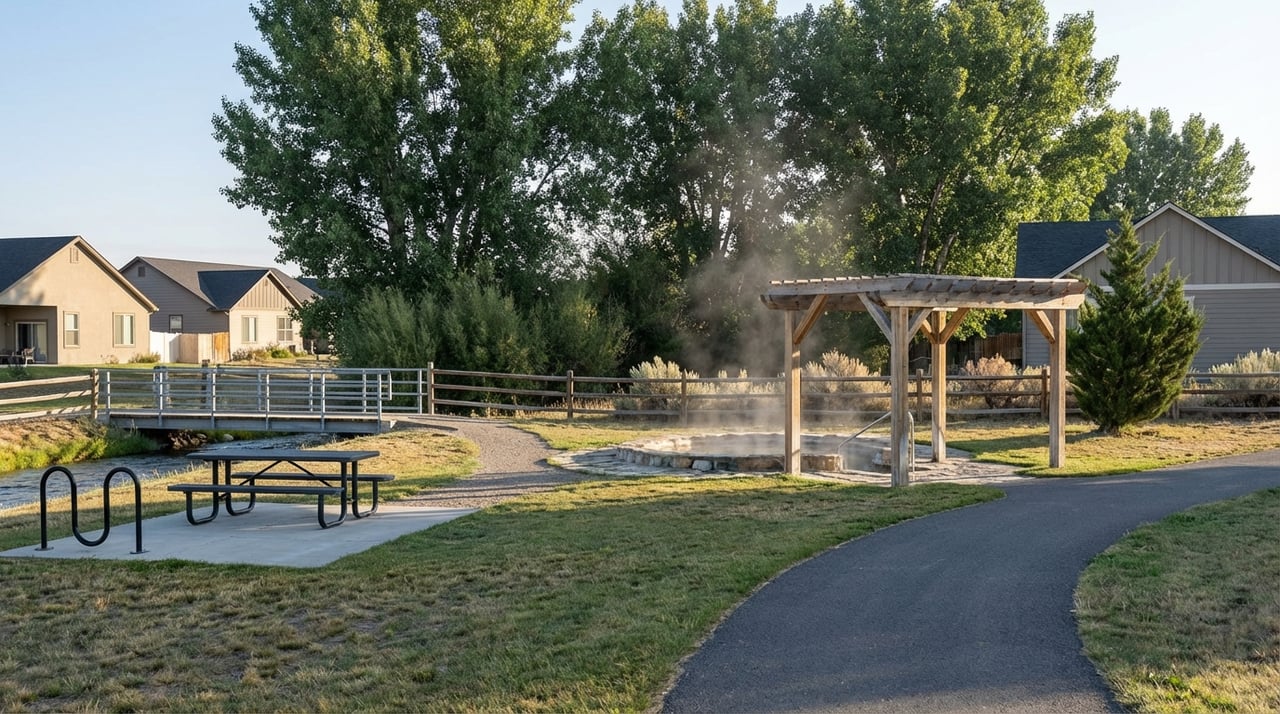
- Shared amenities and services. Some subdivisions offer private roads, open space, playgrounds, or small recreation areas.
- Group problem solving. A board and budget can address shared issues like drainage or street repair.
Cons of HOA living
- Added costs. Dues are an ongoing expense, and special assessments can be unexpected. This matters if you are on a tight budget.
- Lifestyle limits. In a semi-rural town, you might want RV parking, an outbuilding, small livestock, or a home business. HOAs may restrict these activities.
- Rental limits. If you plan to rent long-term or by the semester, HOAs may impose minimum lease terms or caps on rentals.
- Governance friction. Small associations can become politicized. Professional management can help, but usually increases dues.
- Financial gaps. Smaller HOAs sometimes lack strong reserves, which can raise the risk of future assessments.
No-HOA living: pros and cons
Pros of no-HOA living
- Greater freedom. More flexibility for exterior projects, parking, outbuildings, landscaping, and some agricultural uses, subject to local zoning.
- No dues. You pay your normal property costs without an HOA fee.
- Rental flexibility. Without HOA limits, you have more options for long-term or short-term rentals, while still following city and county rules.
Cons of no-HOA living
- You handle maintenance. Snow removal, road upkeep on private drives, and shared infrastructure are your responsibility.
- Less consistency. Neighbors may maintain properties differently, which can affect the look and feel of a street.
- No shared amenities. Any improvements are up to individual owners.
- Shared access challenges. Private roads or shared driveways need agreements, or you could face disputes.
Rentals near Snow College: what to know
In a college-influenced market, rental demand can be strong. If you are considering an HOA property, check rental rules closely. HOAs may limit the number of rentals, set minimum lease terms, or require owner registration. They may also have occupancy rules. For non-HOA homes, you still need to follow city and county regulations. Local property managers and the Snow College housing office can offer insight on rental pressure near campus.
Costs and risk: evaluating an HOA’s finances
A financially sound HOA can be a major benefit. A weak one can be a risk. Before you commit, review these items:
- Current year budget and the past three years of financials
- Reserve study (if available) and current reserve fund balance
- Special assessment history in the past five years
- Recent meeting minutes, including 12 to 24 months if available
- Estoppel or resale disclosure that confirms dues, delinquencies, and any pending litigation
- Insurance policies for common areas and any master policies
- Management contract details and the manager’s contact information
Look for stable income, a clear plan for long-term repairs, and transparent communication. If reserves are thin and major projects are looming, factor that into your budget or negotiation plan.
Due diligence checklist for Ephraim buyers
For HOA properties
- CC&Rs, bylaws, and rules and regulations
- Latest budget and three years of financial statements
- Reserve study and reserve fund balance
- Board and member meeting minutes for at least the past 12 to 24 months
- Special assessment history and any planned projects
- Estoppel or resale disclosure with dues and any delinquencies or disputes
- Insurance policies for common areas and master coverage
- Management agreement and manager contact
- Rental rules, lease minimums, registration steps, and enforcement history
- Parking, RV, boat, pet, and livestock rules
- Map of privately maintained elements such as roads, drains, walls, and utilities
Key questions to ask:
- What do dues cover, such as snow removal, trash, road maintenance, or utilities?
- Are streets private or dedicated to the city? Who plows and repairs them?
- Are short-term or student rentals allowed? Any occupancy limits?
- Have there been recent special assessments? Any big projects planned?
- How are violations enforced, and what is the appeal process?
- Are there restrictions that affect rural uses, vehicle storage, or outbuildings?
- How large is the HOA, and how engaged are members in governance?
For non-HOA properties
- Confirm zoning, setbacks, and accessory structure rules with the City of Ephraim and Sanpete County
- Ask neighbors about informal norms for RV parking and snow clearing
- If a shared driveway or private road exists, get recorded agreements or easements
Smart negotiation tips
- Request an estoppel letter early to confirm dues, delinquencies, and pending issues.
- Include a contingency for HOA document review with enough time to consult an attorney if needed.
- If reserves are weak or projects are pending, negotiate a credit, repair escrow, or seller contribution toward upcoming assessments.
- If you plan to rent, get the rental rules and enforcement history in writing before you finalize your purchase.
Which path fits your priorities?
If you value convenience, shared services, and consistent appearance, an HOA community may suit you, especially if snow removal or private-road maintenance matters. If you want more freedom for RVs, outbuildings, landscaping, or flexible rentals, a non-HOA property may fit better.
Your budget, lifestyle, and plans for the property are the deciding factors. Take time to review documents, walk the neighborhood, and talk with a local agent who understands Ephraim and Sanpete County. A little upfront homework can save you money and stress later.
Ready to explore the best fit for your goals in Ephraim? Reach out to Donavan Allen for local guidance and a clear plan tailored to your needs.
FAQs
What do HOA dues typically cover in Ephraim?
- Dues often fund services such as snow removal for private roads or shared drives, landscaping of common areas, trash service, and insurance for common property.
Are short-term or student rentals allowed in Ephraim HOAs?
- It depends on the CC&Rs; many HOAs limit or register rentals and set minimum lease terms, so review rental rules and enforcement history before you buy.
How can I tell if a street is private or city maintained in Ephraim?
- Ask the HOA or seller to confirm, and verify with the City of Ephraim; private streets usually require HOA or owner-funded plowing and repairs.
What risks do special assessments pose for buyers in Ephraim?
- Special assessments can be large and unexpected; review budgets, reserves, meeting minutes, and assessment history to gauge the likelihood of future charges.
How are shared driveways handled without an HOA in Ephraim?
- Look for recorded maintenance agreements or easements, ask your title company to verify them, and talk with neighbors about how costs and snow clearing are shared.