What It’s Like To Live In Salina, Utah
February 5, 2026
February 5, 2026
Thinking about a quieter corner of Utah where you can still get to wide-open spaces in minutes? If you are curious about Salina in Sevier County, you are not alone. Many buyers look to Central Utah for a small-town rhythm, practical amenities, and easy access to the outdoors. In this guide, you will learn what day-to-day life feels like in Salina, from schools and services to recreation, housing, and seasonal realities. Let’s dive in.
Salina sits in central Sevier County in a mostly rural stretch of Utah. You will find a small-city pace, locally owned businesses, and community touchpoints like schools, faith-based groups, and volunteer organizations. Streets are less crowded, people tend to know their neighbors, and weekly routines revolve around school events, youth sports, and local gatherings.
If you are moving from a larger metro, expect a shift to simpler commutes, fewer big-box options, and a stronger connection to the land. This part of the state is known for agriculture, public lands, and clear views that change with the seasons.
Salina is served by the Sevier School District. Public school options in and around town typically include elementary and secondary campuses, with high school programs in the broader district. For specifics like enrollment, programs, and performance, families often review district resources and state report cards.
Small towns in Central Utah usually offer primary care clinics, dental and vision options, and access to urgent care. For specialty care and hospital services, residents often travel to a larger regional medical center in a nearby hub. Emergency response in rural areas typically includes local fire and EMS resources supported by county or regional agencies.
Day-to-day needs are straightforward. You can usually find a grocery store or market, hardware and auto services, fuel stations, and a handful of restaurants or cafés in town. For specialty shopping, bigger-box retail, and expanded dining, most residents plan occasional trips to a regional center in the county.
Utility setups vary by property. In town, many homes connect to municipal water and sewer, while rural-edge or outlying properties may use private or shared wells and septic systems. Natural gas may not be available everywhere, and some homes rely on propane for heat.
Broadband coverage can differ block by block in rural communities. You may see options like wired broadband in core areas, with fixed wireless or satellite filling gaps in others. If fast internet is critical for work or streaming, confirm service tiers and speeds before you make an offer.
If you love the outdoors, Salina places you close to a wide network of public lands managed by the U.S. Forest Service and Bureau of Land Management. Residents spend weekends hiking, fishing, hunting in season, riding OHVs on designated trails, and heading to higher elevations for snow in winter. Lakes and reservoirs in the region offer boating and shoreline days, and state parks make it easy to mix short outings with longer adventures.
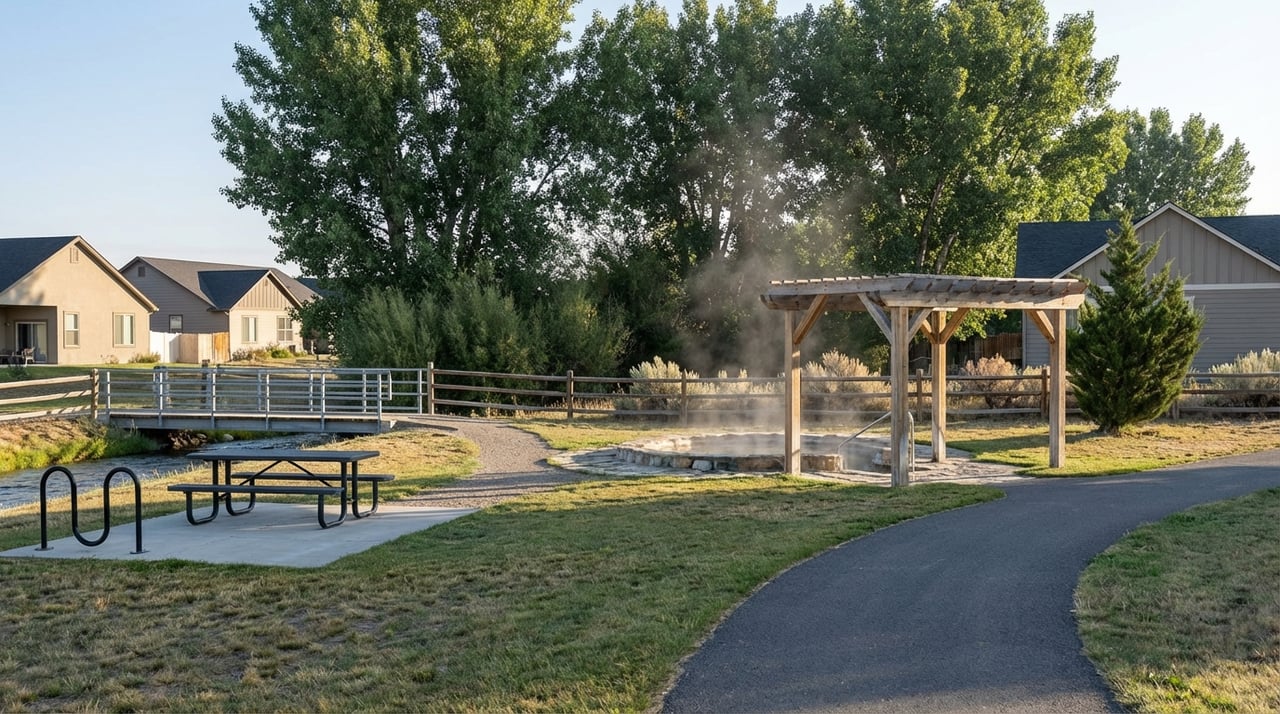
In town, you can expect a few parks, sports fields, and green spaces that host youth games and community events. City and county calendars are helpful for spotting leagues, clinics, and seasonal programs.
Central Utah experiences four defined seasons. Summers are warm and dry, with cooler evenings that invite porch time and backyard gatherings. Winters bring cold temperatures and periodic snow, especially at higher elevations. Spring and fall are shoulder seasons with comfortable days and changing colors.
What this means for daily life:
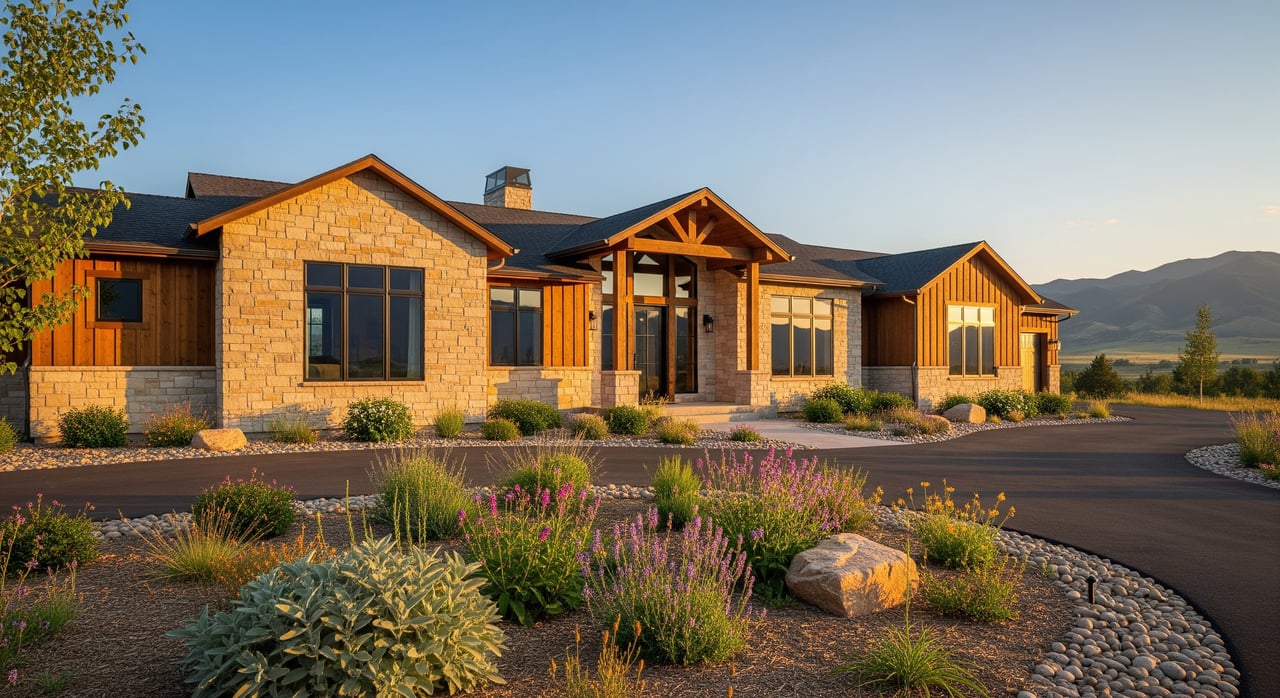
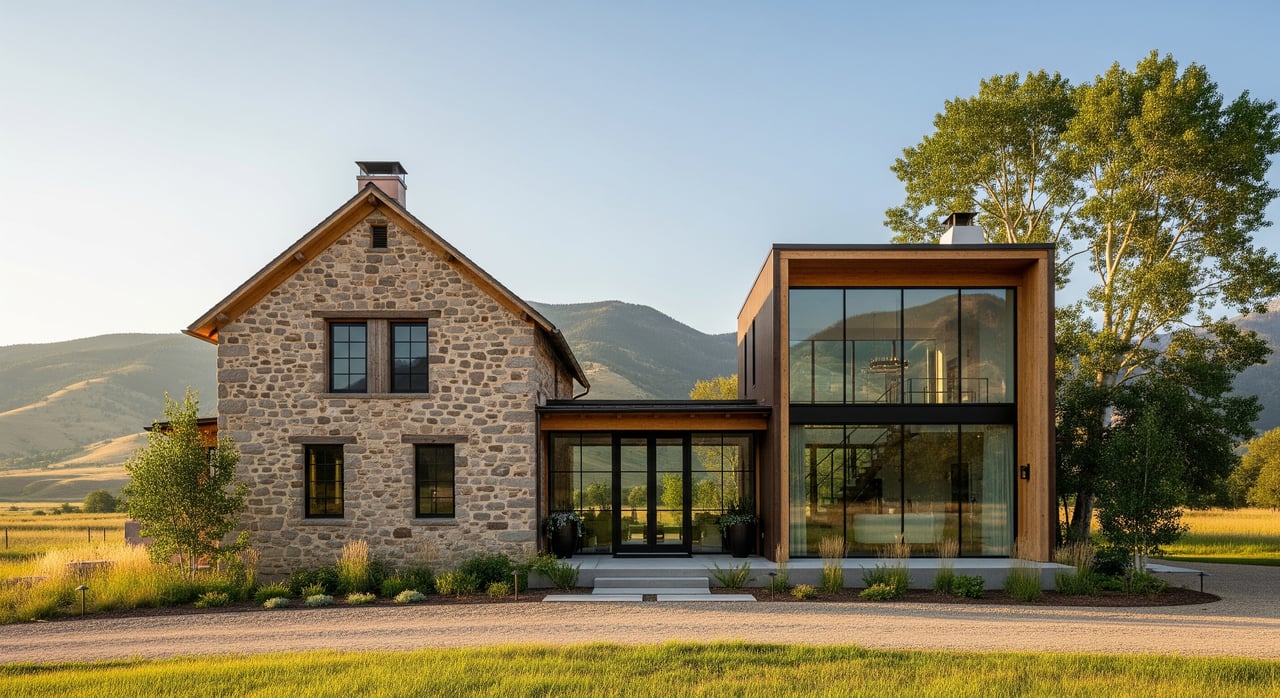
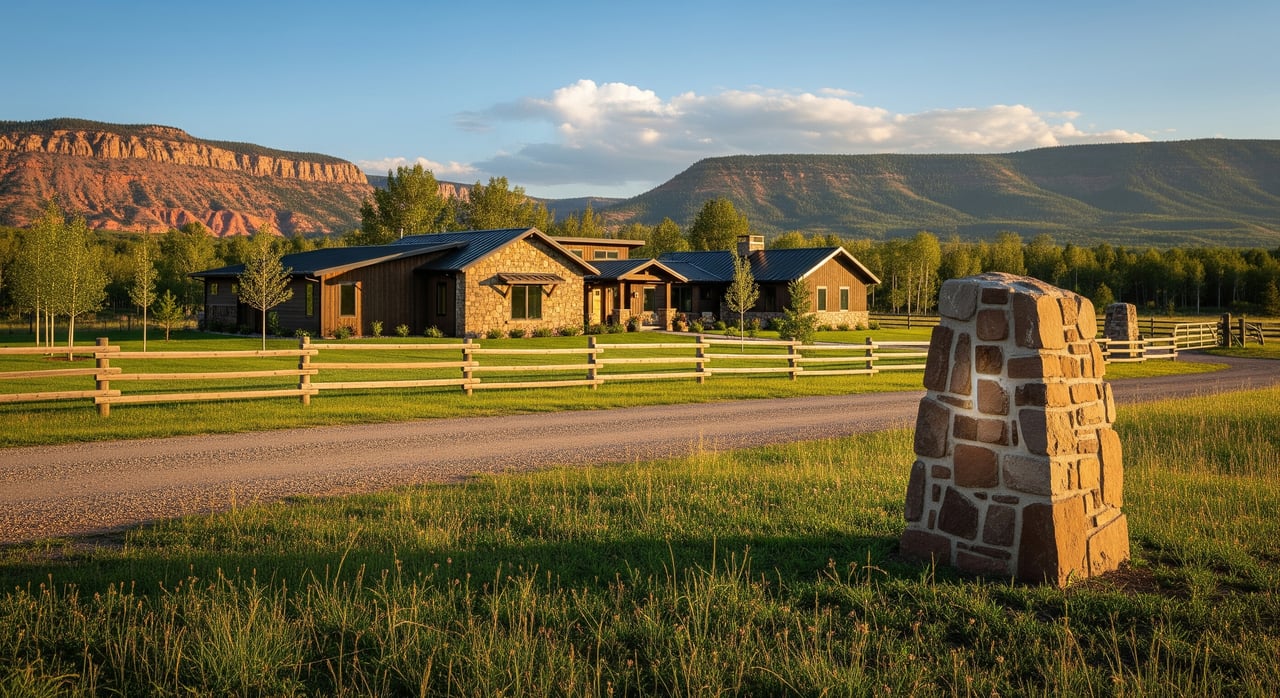
Housing options reflect small-town Central Utah. You will see single-family homes, often on generous lots, along with older cottages and ranch-style properties. Around the edges of town, you may find homes on acreage, small agricultural parcels, and the occasional newer build.
Market conditions can change quickly in smaller towns. Inventory may be limited in some price ranges, and the right property can draw multiple offers. Work with a local agent to understand days on market, seasonal trends, and how to position a competitive offer without overreaching.
Before you buy, review current property tax rates and any special assessments through county offices. Insurance needs can vary with location, so it helps to evaluate wildfire exposure and floodplain status. Many buyers check FEMA flood maps and speak with their insurer about premiums for homes near the wildland-urban interface or waterways.
Driving is the norm in Sevier County. Streets are straightforward, and parking is rarely a challenge. If you work outside town or plan frequent trips to a regional hub, test your commute at typical times and in winter conditions. Public transit options are limited in rural counties, so make sure your vehicle is equipped for snow and the occasional dirt or gravel road.
Life in Salina often centers on school events, community gatherings, and seasonal celebrations. Friday nights might mean attending a game, and holidays bring parades or town activities. Local diners, family-owned shops, and service businesses are places where people connect and catch up on what is happening around town.
You can expect opportunities to volunteer, join civic groups, or support events that bring the community together. If you enjoy being involved, you will find plenty of ways to plug in throughout the year.
Use this list to streamline your due diligence. It covers the most common rural and small-town considerations in Central Utah.
If you want a slower daily rhythm, practical amenities, and easy access to Utah’s public lands, Salina offers a compelling mix. The tradeoff for small-town peace is driving a bit more for specialty shopping and some medical needs, but many residents find the balance well worth it. With the right planning and a local guide, you can land a home that fits your lifestyle and budget.
If you are ready to explore homes in Salina or compare neighborhoods across Sevier County, reach out to a local expert who knows the market and the land dynamics. For tailored guidance and a smooth search, connect with Donavan Allen.
Stay up to date on the latest real estate trends.